Electrical Wiring Guides & Circuit Tutorials
Practical articles on electrical wiring, circuit design, and simulation — for students, electricians, teachers and curious learners.
Electrical Guides and Articles
Clear explanations of wiring, components, regulations, and electrical safety.Looking for what's new in the app? Product updates & release notes →
How to Use the ElectraSim Guide: Beginner to Pro
A guided route through the ElectraSim Guide: which section to open first, how to read a circuit walkthrough, and when to let the app test you.
Earth Fault Loop Impedance (Zs): Max Values & Formula (UK)
Complete guide to earth fault loop impedance (Zs): learn the Zs = Ze + (R1+R2) formula, BS 7671 max values, the 80% rule, and how to test circuits safely.
How to Calculate Cable Sizes & Voltage Drop Interactively (Step-by-Step Guide)
Learn how to calculate cable sizes and voltage drop with interactive visual tools. Explore conductor resistance, single-phase, three-phase, and DC formulas, and verify BS 7671 and IEC 60364 limits.
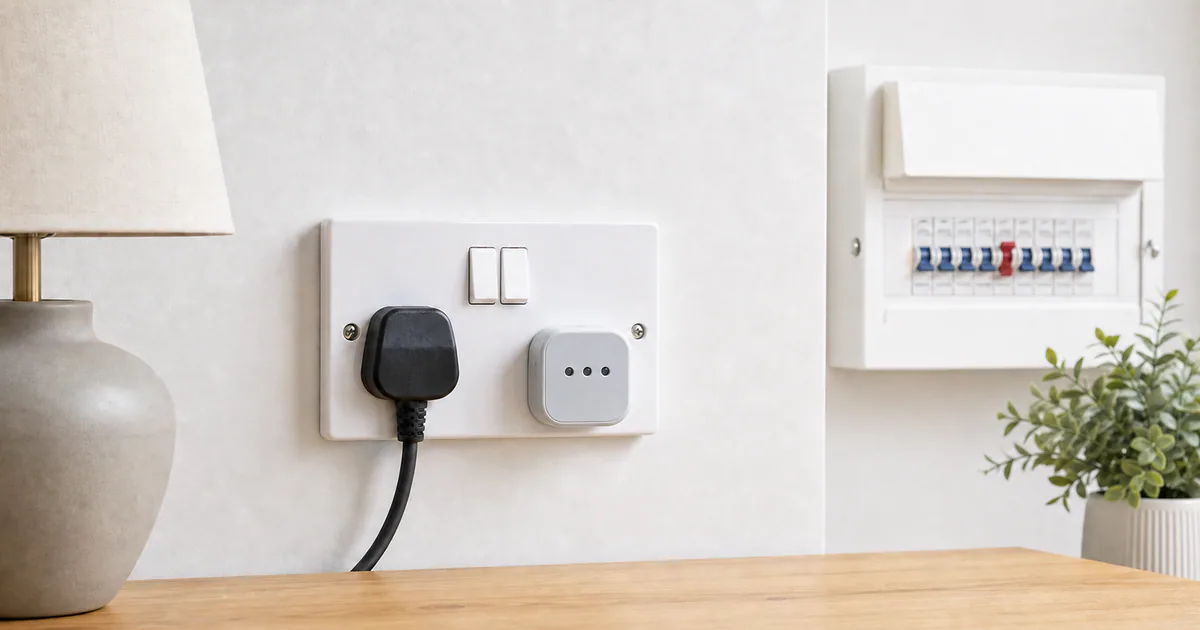
Why Has My Socket Stopped Working?
A dead socket can come from an appliance, tripped breaker, damaged connection or power cut. Learn safe checks, warning signs and when to call an electrician.
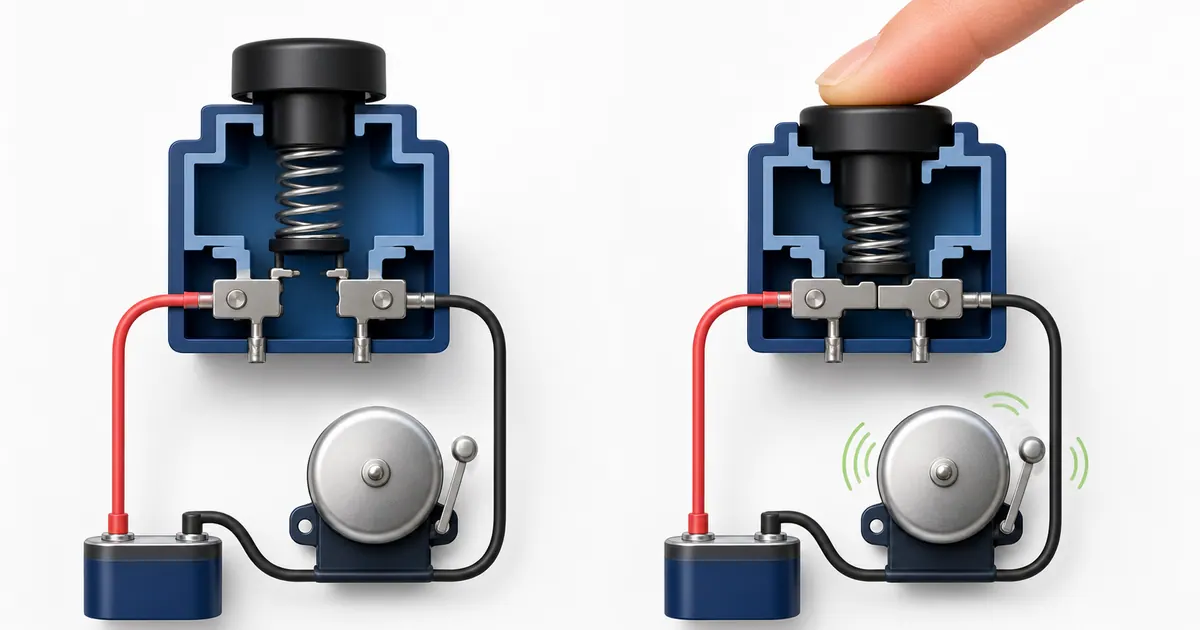
How Push Button Switches Work: Momentary vs Maintained
Learn how push button switches work: differences between momentary and maintained contacts, normally open (NO) vs normally closed (NC), and circuit uses.
BS 7671 Amendment 4:2026 Explained: Key Changes Before 15 October
BS 7671 Amendment 4 covers battery storage, powered data cables, ICT earthing and more. Learn what changes in plain English before 15 October 2026.
Why Do My Lights Flicker? Common Causes, Safe Checks and When to Call an Electrician
Flickering lights can mean a loose bulb, an LED and dimmer mismatch, or a wiring fault. Learn safe checks, warning signs, and when to call an electrician.
Main Protective Bonding Explained: Gas, Water, Earthing and Why It Matters
Main protective bonding connects incoming metal services such as gas and water to the main earthing terminal. This guide explains bonding, how it differs from earthing, what electricians check, and why it matters during faults.
How to Test a Ring Final Circuit: Continuity, Polarity and End-to-End Readings
Learn how electricians test a UK ring final circuit — end-to-end live, neutral and CPC continuity, cross-connection tests at each socket, polarity checks, open ring faults, spurs, and what the readings mean.